
As I see the sleepers carrying the steel road passing underneath, I reflect on the contrasts between us, the passengers and those of the navvy workforce making our leisurely trip possible. In most countries railways would never have been possible without the recruitment of cheap labor. These could have been brought from foreign countries, with a future where bleakness of navvy life was presented through rose tinted glasses. But, in Soviet they where mostly labor camp prisoners, where new crimes had to be invented to fill the gaps from those constantly dying. But cheap labor made railways possible everywhere.
Hear as rails moan threnodies for the buried navvy men far below
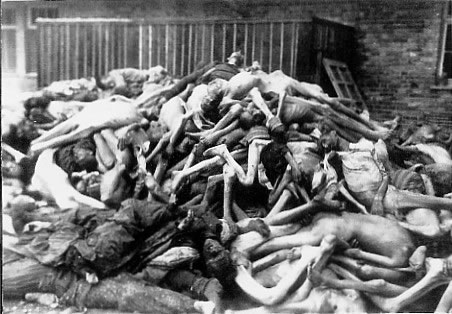
From the internet
Linked to Carpe Diem
—
January 16, 2014
 Björn Rudbergs writings
This is one tough poem my friend…I will never look at the train in the same way again.
We were indeed on the same wavelength. The history of the railway here in Canada is filled with death as well…primarily of immigrant workers who were, unfortunately, considered “expendable”. Human life should never be expendable.
I think there is a reason we can’t afford to build railways any longer.
Gritty and well done.
Well I had to read this one too when I saw that gruesome photo. I had never heard the word “navvy” and quickly looked it up. Yet another way human beings enslave others…or look at them as disposable…chilling to me. I appreciate the topic…thanks for sharing, Bjorn.
I knew the word in Swedish. and had to get a translation… on this prompt we write each day on a stop on the Transibierian Railway
What a fascinating prompt. You chose an interesting aspect of the railway system.
A gruesome image painted by your haiku. Even in Asia, in Malaya (as it was known then), the railways were built by prisoners of war they took from Singapore and Malaya, during the Japanese occupation in World War II.
Heaviness…in every meaning of the word… It is a gift you haveto reveal beauty as powerfully as to reveal the darkest colours of life.
Oh boy, this is tremendous and heartwrenching…