
Copyright Björn Rudberg
Hear a looming wind that plays its song of sorrows
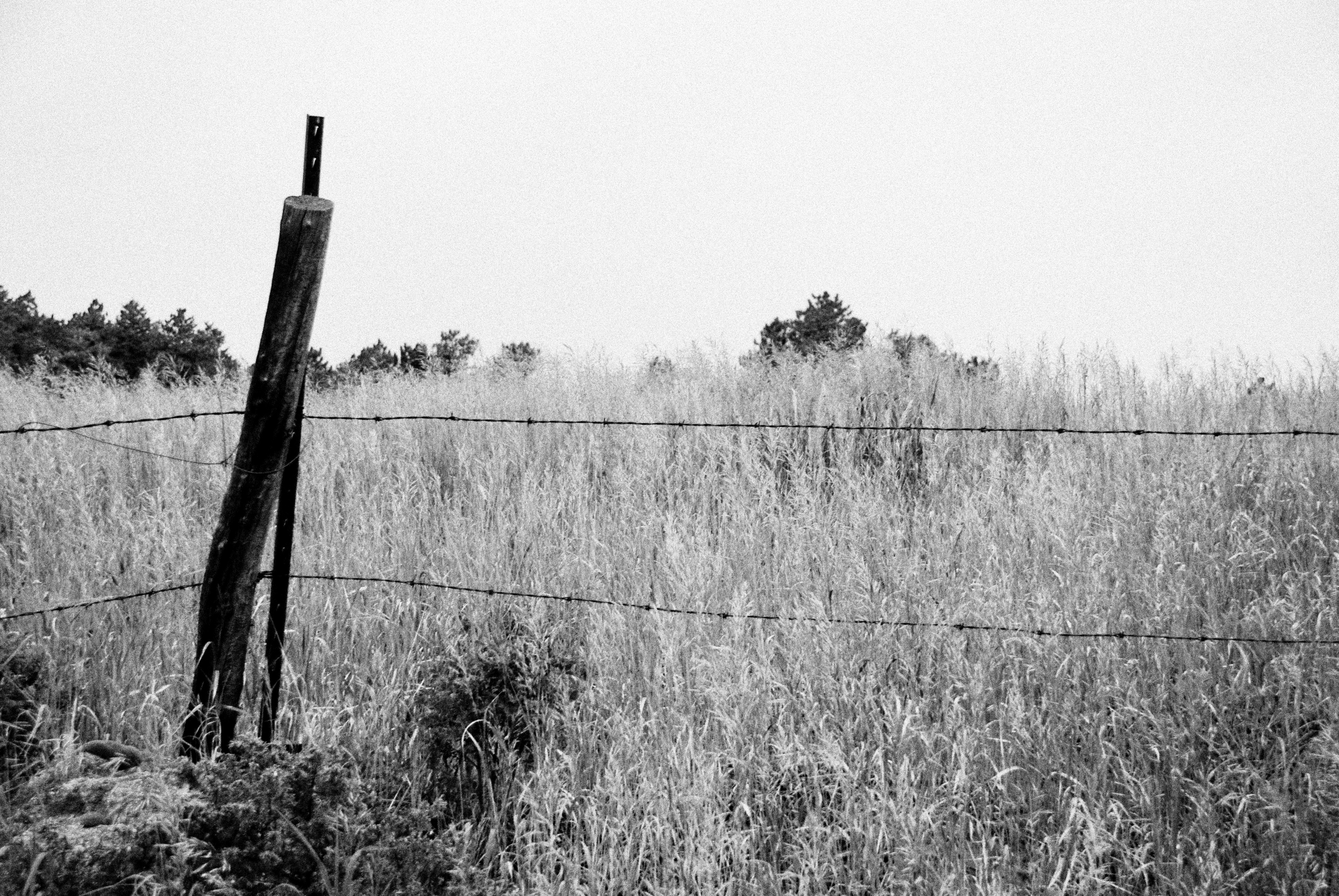
strings are razor wires, my neighbour used as fencing.
Starving cows are dying from the long cold winter,
rich grass is on other side of neighbour’s fencing
Coffin for my child was sacrifice to winter,
n’thawing soil, I dug a hole at neighbour’s fencing
Still I feel the strength of spring return to me and
nurtures growing on my side of neighbour’s fencing
Neighbour’s streaked with tears as grave for wife is digging
spade in hand I resolutely cross the fencing.
Today at dVerse Form for All Gay wants us to convert a free verse poem to a ambic/anapestic (any line length) or trochee/dactyl (any line length) poem. I had two problems, I have written very few free verse poems and I have written mostly iambic. I found this poem which has not appeared on dVerse as suitable, and I tried to write it with trochee instead (of course the poem is fiction).
 Björn Rudbergs writings
Beautiful and gave me the chills. I knew you’d understand the challenge. Trying to read it actually totally freaked me out. Overload. Amazing writing.
Thank you Maggie.. this was a challenge in more than one dimension for me..
This is a really strong poem taken without regard to scansion. The word choice and subject matter are serious and well textured. It has a built-in season of hard times, bad weather, and choosing to go on in spite of it.
As to the use of trochee which are equally a hard rhythm to sustain, I believe it enhances the meaning of the poem. You were successful (and that is saying something) in converting nearly all the first syllables of the feet to a hard stress. Once in a while I thought an iamb crept in, but again without hearing you read it, I could be wrong. Well done!
Thank you.. yes… slipping into iambs is too easy… I thought using trochee, it would be more solemn which fitted the subject.
I remember this poem, Bjorn. It changed a bit, if I recall it correctly, but it is still powerful!
Ah, yes I saw you commented on it, and thanks for reading it again…
Was it changed somewhat? I didn’t go back to reread it.
It was changed from free verse to trochaic hexameter… as a part of a challenge. Contentwise it was identical.
Good to know my memory was working. Thanks Bjorn!
Good to know my memory was working. Thanks Bjorn!
Good write. Bjorn.>KB
Thank you KB 🙂
Now, this is beautiful, darkly so.
Thank you … times were darker once..
I feel like an outrider here, as you & Gay break down the schematics and outline the form. Perhaps the challenge was beyond me, but I interpreted it as a conscious effort to define what we do in our sleep; write poetics. Loved your poem.
Thank you for your nice comment… just going DUM-da instead of da-DUM… 🙂
very nicely done bjorn…the stanza that particularly struck me was the starving cows while the neighbor has lush grass…and this too plays a nice metaphor for our lives as well…as the haves and have nots…..good on you for crossing the fencing and breaking those barriers…..i am really struggling with this one…i usually let a piece find its own rhythm…forced rhythm just doesnt feel authentic in my writing….
Thank you Brian.. the free verse version was identical to content. I used a thesaurus to change some words to fit the scheme.
I find that the forced rhythm always comes back to me even if I try not to do it…
Your work with trochees adds strength to the poem, Bjorn, and I loved the repetitive nature of the last line. And I’m very glad it’s fiction.
loved how your lines captured the picture
Starting those lines with stressed accents gave the poem simple forcefulness–something I think is natural to the rural speech patterns with which I am familiar. Very fitting form for this content. Excellent work!
I’m impressed yet again. Your words have that quality that they linger for a while on the reader’s tongue. I liked the dark aspect which was well narrated.
First time I consciously read trochees, a cornucopia of them no less. I still find it all very confusing, and I agree with Nico and Glenn.
A powerful opening stanza, I could hear those songs of sorrow through the wire…I’m so glad this is fiction it certainly has a chill to it…so glad the fence could be breached when needed. Excellent stuff!
Your use of trochee, and of repetition, re-enforces the dirgelike quality of your words and subject matter. Very effective choices.
Very interesting – I had always thought of trochee as a light-hearted rhythm, but here you use it very well to convey solemnity. The poem also seems to contain natural caesuras in most lines. That, with the absence of some articles, gives it, to me, something of an Anglo-Saxon feel which suits the subject matter.
The looming wind and its song of sorrows reeled me right in….the starving cattle, the graves, the crossing of the fence. Fantastic story, wonderfully told.
Perfect, Bjorn. I’m so glad you linked again and I got to read it today. Very sorrowful metaphor in this one.