
A Cirrus-streaked aboveness, slate-grey gales
ravage ribcage, tears apart, murder maim.
the westerner, November winds haul us sleet
Watch bony boughs give way, they bend and flail
see centennial sentinels. pine-trees claimed
to teeth of tearing tempests, shower-sheets.
This deluge, below the fall, I hide, too frail
to rest, to sleep when weather plays her games
exhausted, far to walk on empty streets
but later when at home, exhale inhale
I’m safe to sigh when at a hearth aflame
with you my love, away inside complete.
Beside the fire, later sharing wine and sweets.
At last I’m dry and warm again, my feet.
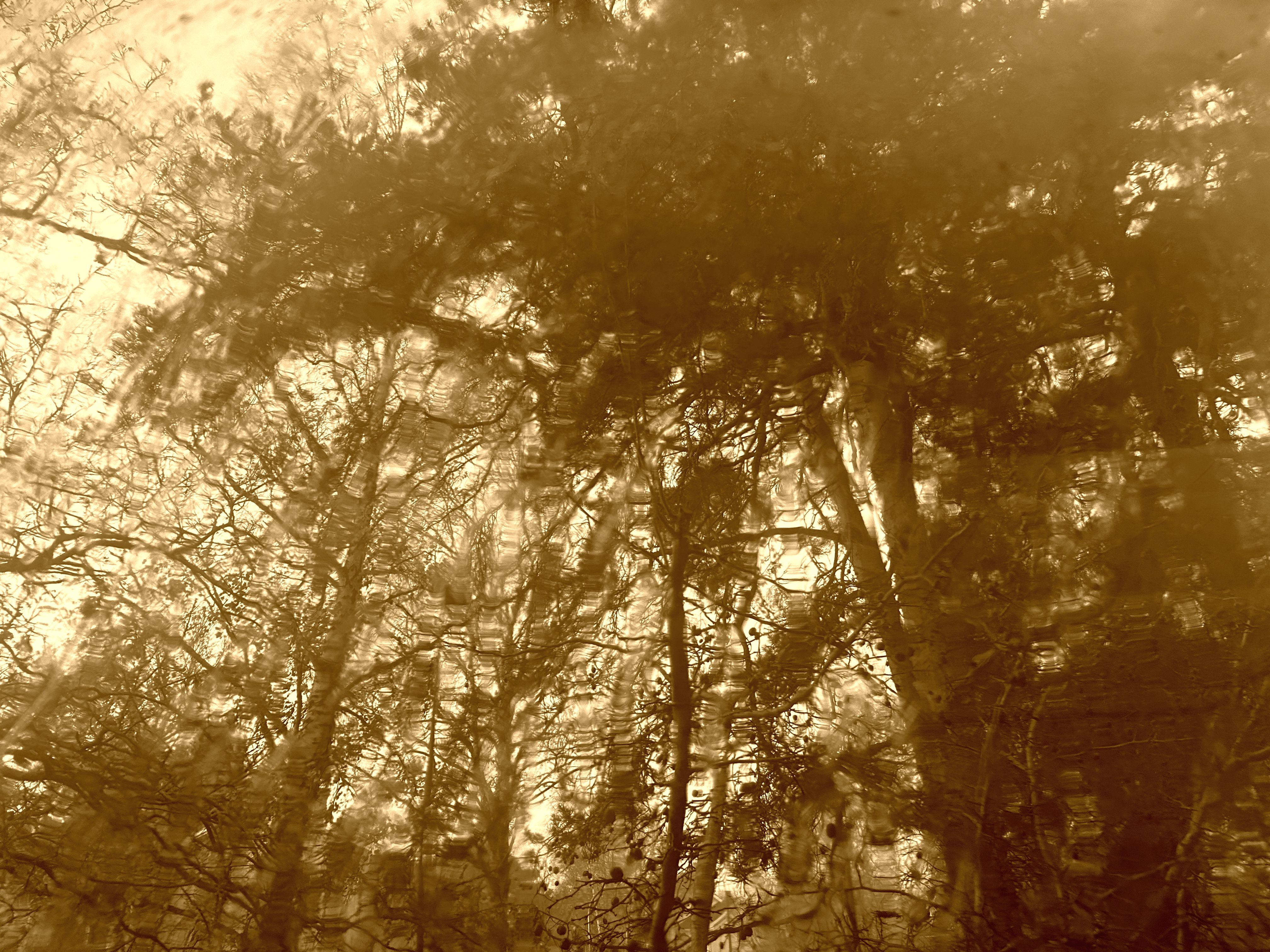
Today Laura hosts with a sonnet form, at dVerse which is a rhymscheme called the trillonet.
November 14, 2024
 Björn Rudbergs writings
Very evocative of Autumn and a fascinating form.
I love the wind that you portray, Björn, with its ‘cirrus-streaked aboveness,’ slate-grey gales that ‘ravage ribcage’, and ‘bony boughs’. Great use of alliteration all the way through. We seem to have both made our way home safely.
Indeed… simalar walk, and a warm end.
what relief as the poem enters the interior after such evocative wind and weather – the touch of love is such a warming addition to this masterly poetry style
Thank you so much…. there had to be something nice in the end to keep with a sonnet form 🙂
ah yes even I ended positively for a change!
Wow a really wild one
much♡love
This is gorgeous.
You took us on a wild ride, Björn but brought us safely home again…
from ravage ribcage, tears apart, murder maim, to sweets and wine before the fire, beautifully done and there is no better place to be during a storm.
As someone who carried mail in all weather for 31 years, I know well the sweetness of being cold and wet, and then warm and dry. It’s delicious.
You described a ravaging wind quite well, ending with the most peaceful of scenes. I enjoyed this.
“Beside the fire, later sharing wine and sweets.
At last I’m dry and warm again, my feet.”
Comfort indeed! 🙂
You describe the ravaging wind so well that it gave me the chills. Thank god for the warmth in the closing lines.